Wondering if Downtown West Palm Beach fits the way you want to live? If you are looking for a home base with walkability, waterfront views, dining options, and an active calendar, this part of the city offers a very different feel from a quieter suburban setting. Here’s what daily life is really like in Downtown West Palm Beach, who it tends to suit best, and what to think through before you make a move. Let’s dive in.
Downtown West Palm Beach Feel
Downtown West Palm Beach is the city’s historic core, but it feels very current in how it is planned and used. The city’s Downtown Master Plan covers about 767 acres, and the area now includes nearly 9,000 residential units and more than 10.4 million square feet of nonresidential development.
That scale matters because it shapes your everyday experience. This is not a small downtown with a few restaurants and a quiet main street. It is a dense, urban, waterfront-centered district designed to support a live-work-play lifestyle throughout the day and into the evening.
Downtown Is More Than One Street
One of the best ways to picture downtown is as a group of connected districts instead of one single strip. Clematis Street, CityPlace, and the Flagler waterfront are often described as the core pieces of the downtown experience.
That gives you variety within a compact area. You can move between shopping, dining, cultural destinations, public gathering spaces, and waterfront views without feeling like you are traveling across a spread-out city.
Waterfront Living Shapes Daily Life
In Downtown West Palm Beach, the waterfront is part of daily life, not just something you visit once in a while. Waterfront Commons at 100 N. Clematis St. includes paved walking trails, shaded areas, picnic tables, restrooms, and water fountains.
The city also says the waterfront hosts more than 600 events each year. You will find parks, docks, an open-air amphitheater, and long views across the Intracoastal Waterway, which adds a strong outdoor element to living downtown.
For many people, that changes the rhythm of the day. Morning walks, casual time by the water, and easy access to public outdoor spaces become part of your routine instead of a weekend-only plan.
On-Water Access Is Part of the Lifestyle
If you enjoy being near the water, downtown makes that easy. The city says the downtown waterfront provides access to the Intracoastal Waterway, and local tourism sources highlight activities such as kayaking, paddleboarding, catamaran outings, and sightseeing cruises departing from downtown.
That means the area offers more than scenic views. It supports an active coastal lifestyle with real access to the water, which can be a big draw if you are relocating for the Florida experience.
Dining and Entertainment Stay Busy
Downtown West Palm Beach has an energetic social side. CityPlace describes the area as a walkable urban neighborhood with more than 60 shops and restaurants, along with regular public events.
You can expect a mix of everyday convenience and going-out options. From coffee and quick meals to full-service restaurants, the dining scene supports both casual routines and polished evenings out.
Events also help keep the area lively. CityPlace’s programming includes live music, fitness classes, pop-ups, and performances, so there is often something happening nearby.
Arts and Culture Are Built In
If cultural access matters to you, downtown stands out. The West Palm Beach Downtown Development Authority says the Arts & Entertainment District includes more than 20 cultural destinations.
Public art is also part of the setting. Murals, installations, and rotating art displays add visual interest to everyday walks, while the Kravis Center and Norton Museum serve as major cultural anchors in the area.
For buyers who want more than just restaurants and retail, this is a real advantage. You can live in a place where art, performances, and public programming are woven into the neighborhood experience.
What Homes Look Like Downtown
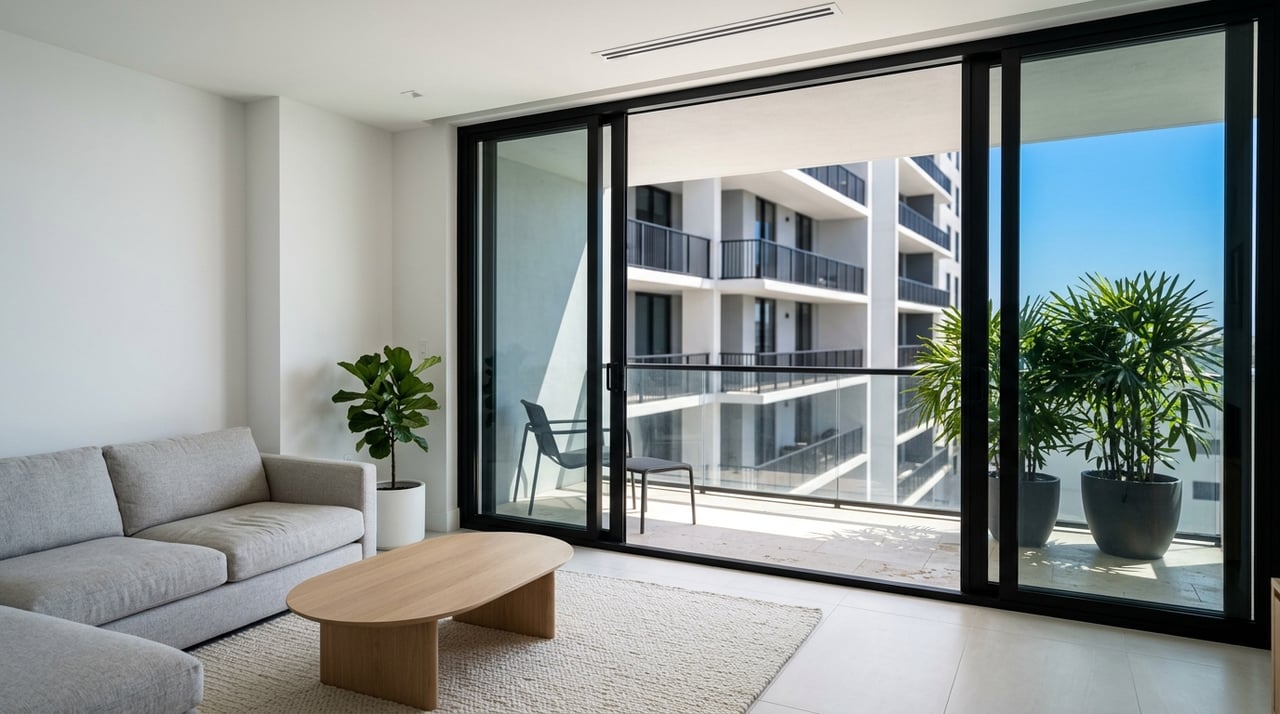
The housing mix in the immediate downtown core leans strongly vertical. Current options highlighted in CityPlace include luxury rentals, loft-style apartments, waterfront condominiums, and estate-style condominium residences.
That tells you a lot about the type of lifestyle downtown supports. Many homes here are designed around convenience, amenities, views, and lower-maintenance living rather than large yards or a more traditional suburban setup.
If you are hoping for a townhome, it is important to set expectations. In the immediate downtown core, condos and apartments are the defining product, while townhome-style options are more likely to be found on the edges of downtown or in nearby neighborhoods.
Who Downtown Often Fits Best
Downtown West Palm Beach tends to appeal to people who value access and ease. Based on the housing mix, waterfront setting, and transit options, it is especially relevant for seasonal buyers, downsizers, and professionals looking for a lock-and-leave lifestyle.
It can also make sense for second-home buyers who want a walkable location near dining, arts, and the waterfront. If you like the idea of stepping outside and having a lot within reach, downtown may feel like a strong match.
That said, lifestyle fit matters more than labels. The key question is whether you want energy and convenience or a quieter, more residential pace.
Getting Around Without Driving Everywhere
A car-light lifestyle is possible in downtown, though not always necessary for every resident. Brightline’s West Palm Beach station at 260 Quadrille Plaza Drive says it is within walking distance of top downtown destinations.
Tri-Rail’s West Palm Beach station also lists a free fixed-route shuttle around downtown and Circuit on-demand service. The city adds another option through rideWPB, a free service with both fixed-route and on-demand components.
For some buyers, that connectivity is a major plus. It can make downtown feel more flexible, especially if you want easier local movement or occasional rail access without relying on your car for every trip.
Parking Is Still Part of the Equation
Even in a walkable district, parking matters. The city’s parking information lists meter prices from $1.00 to $2.50 per hour depending on location, garage rates up to $20 per day, and a downtown residential parking permit option priced at $80 plus tax.
If you are considering a condo or planning frequent visits before buying, this is worth factoring into your decision. Walkability helps, but parking management remains part of everyday downtown life.
The Main Tradeoff To Know
The clearest tradeoff in Downtown West Palm Beach is convenience versus quiet. The area is intentionally planned as a dense, event-heavy, waterfront-oriented district, which gives you amenities, activity, and access in a compact footprint.
The flip side is a busier street scene than you would usually find in a suburban neighborhood. More traffic, more events, and more active public spaces are part of the package.
For many buyers, that is exactly the appeal. For others, it may signal that a nearby neighborhood with a calmer pace could be a better fit.
Why Buyers Keep Downtown on the Shortlist
Downtown West Palm Beach earns attention because it offers a distinct lifestyle, not just a central address. You get a compact, culture-heavy, waterfront-centered environment where walking to dining, events, and public spaces can become part of your everyday routine.
If you are relocating, buying a seasonal home, downsizing, or searching for a second property with a lock-and-leave feel, this area has a lot to offer. The real question is whether you want the energy that comes with it.
If you want help comparing Downtown West Palm Beach with other Palm Beach County locations, Julia Amsterdam can guide you with a personalized, concierge-style approach.
FAQs
What is daily life like in Downtown West Palm Beach?
- Daily life in Downtown West Palm Beach is active, walkable, and centered around the waterfront, dining, events, and cultural destinations.
What types of homes are common in Downtown West Palm Beach?
- The immediate downtown core is mostly made up of condos, apartments, and other amenity-rich vertical housing options.
Is Downtown West Palm Beach walkable?
- Yes, downtown is widely described as a walkable urban neighborhood, with dining, shopping, waterfront spaces, and entertainment clustered close together.
Can you live in Downtown West Palm Beach without driving everywhere?
- In many cases, yes. Brightline, Tri-Rail connections, downtown shuttle options, and rideWPB make car-light living more feasible.
Is Downtown West Palm Beach quiet or busy?
- Downtown West Palm Beach is generally busier than a suburban neighborhood because it is designed as a dense, event-oriented district with an active street scene.
Who is Downtown West Palm Beach a good fit for?
- It often suits seasonal buyers, downsizers, professionals, and second-home buyers who want walkability, waterfront access, and a lock-and-leave lifestyle.