Dreaming about a Palm Beach getaway sounds easy. Buying the right second home there takes more planning. If you want a property that feels effortless when you arrive and manageable when you leave, you need to look beyond the view and into the rules, costs, and seasonal realities that shape ownership in this coastal market. Let’s dive in.
Why Palm Beach attracts second-home buyers
Palm Beach offers a rare mix of coastal access, recreation, and polished town services in a compact setting. The town has 3 miles of public beaches, well-known golf and tennis facilities, and an active approach to preservation and zoning. For many second-home buyers, that creates the kind of lock-and-leave lifestyle that feels both refined and practical.
At the same time, Palm Beach is not a casual ownership market. Strict zoning standards, preservation oversight, and coastal exposure mean you need to understand how a property fits your lifestyle before you buy. A beautiful home can still become a frustrating fit if the building rules, flood exposure, or maintenance needs do not match how often you plan to use it.
Start with your second-home goals
Before you compare listings, get clear on how you want to use the property. Your ideal setup for a few winter months each year may look very different from a home you expect to visit often, lend to guests, or possibly rent seasonally if allowed.
A good starting point is to ask yourself a few simple questions:
- Will you use the home seasonally or for longer stays?
- Do you want low-maintenance ownership or more privacy and control?
- Will you need flexibility for guests?
- Is rental potential important to you?
- Are you comfortable managing storm prep from out of town?
These answers can help narrow the right property type early. That saves time and helps you focus on homes that fit both your budget and your routine.
Compare Palm Beach property types
Condominiums in Palm Beach
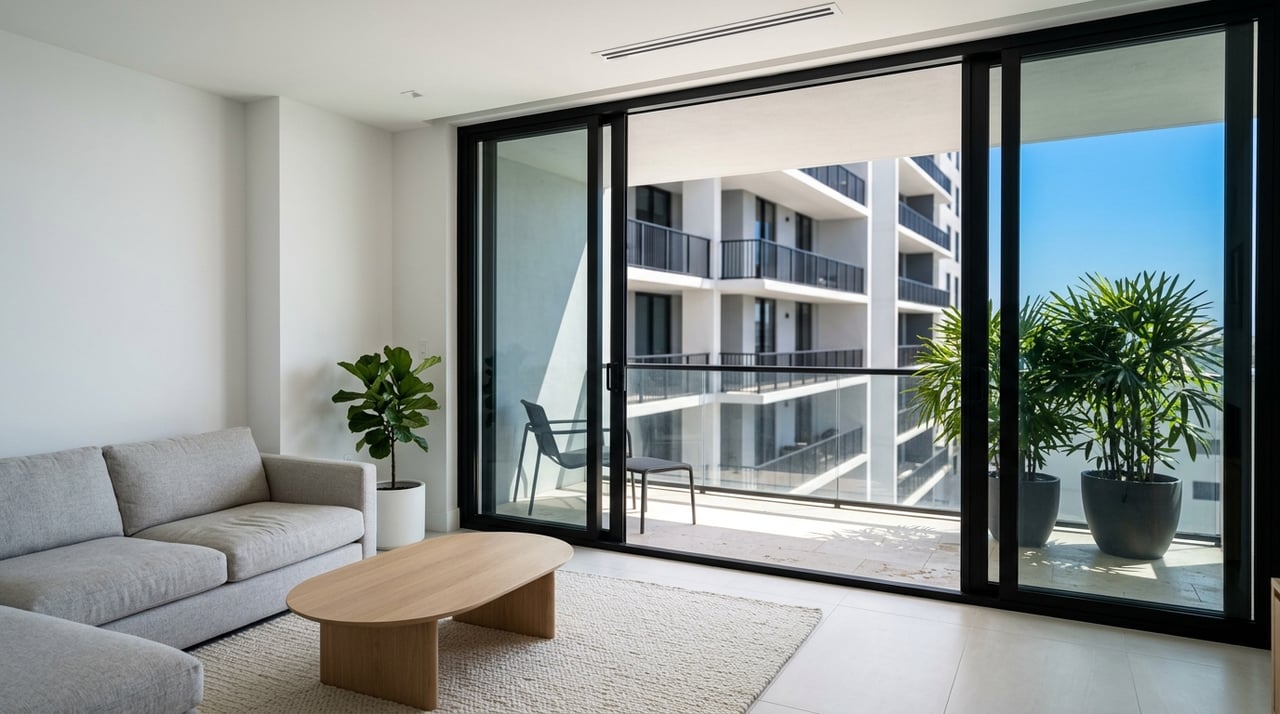
Condos are a common choice for second-home buyers who want convenient ownership in oceanfront or amenity-rich buildings. Florida law defines a condominium as real property ownership in a unit plus an undivided share in the common elements. In practical terms, that usually means shared amenities, shared maintenance responsibilities, and a detailed set of association documents.
For Palm Beach second-home buyers, condos can be attractive because they often support a more streamlined lifestyle. If you plan to come and go during the year, a condo may reduce some day-to-day exterior upkeep. Still, you should expect a more document-heavy review process.
Florida now requires milestone inspections for many residential condo and cooperative buildings that are three or more habitable stories high. The state also requires structural integrity reserve studies for qualifying buildings. These are separate requirements, and they matter because they affect building maintenance, reserves, and the potential for future assessments.
That means you should review more than the monthly fee. Ask for the current budget, reserve information, recent inspection reports, and any known repair plans or pending assessments. Florida requires certain inspection and reserve records to be part of the association’s official records and available to potential buyers, so these documents should be central to your due diligence.
Cooperatives in Palm Beach
A cooperative is legally different from a condo in Florida. In a co-op, legal title is held by a corporation or similar entity, and your right to occupy the unit is tied to an ownership interest plus a lease or similar possession document.
For you as a buyer, the key takeaway is that co-ops can feel more member-governed and more rule-driven. Board requirements, transfer procedures, and occupancy rules can all have a bigger impact than buyers expect. If you are considering a co-op for a second home, read the governing documents carefully and confirm the approval process early.
Villas and single-family homes
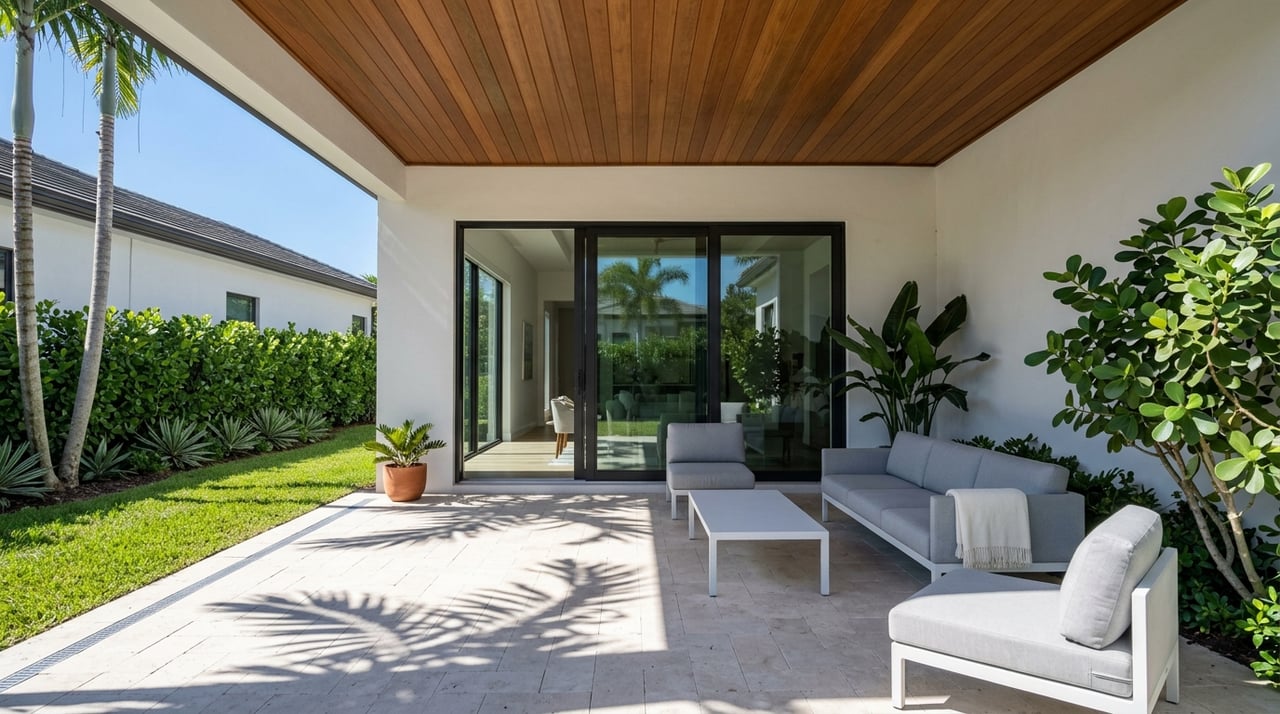
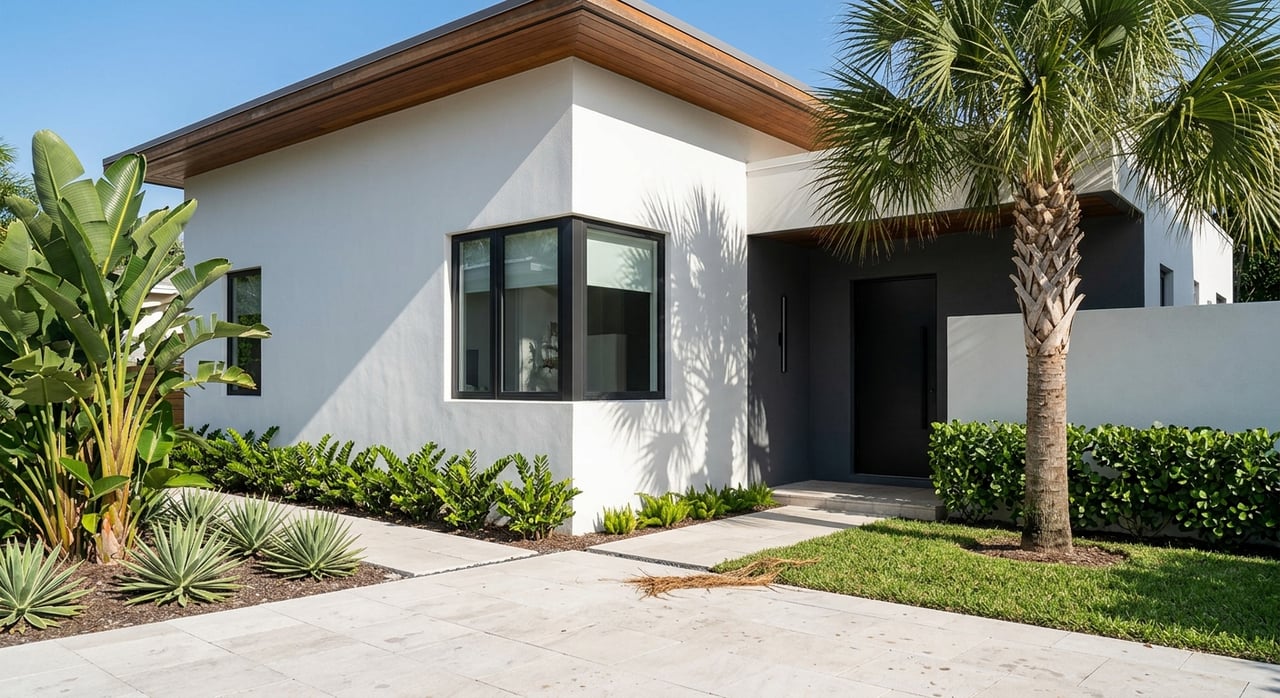
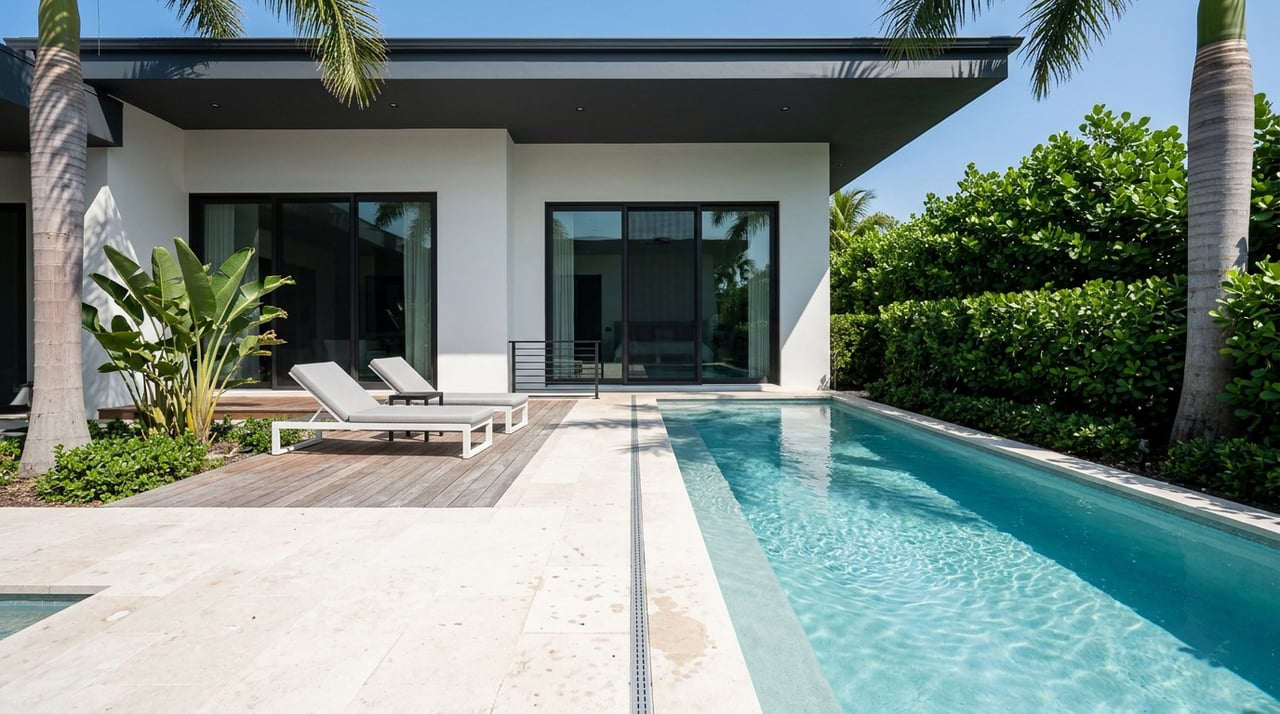
If you want more privacy, more autonomy, or more room for extended stays, you may lean toward an in-town villa or single-family home. These properties often give you greater control over your living experience and fewer shared-building decisions.
The tradeoff is that you may take on more responsibility for maintenance, storm preparation, and property monitoring while you are away. In Palm Beach, you also need to consider zoning and historic preservation rules. The town’s preservation framework protects more than 328 landmark properties, sites, and vistas, and the Landmarks Preservation Commission reviews modifications to landmarked structures.
If exterior changes or future renovations matter to you, confirm those limits before you close. A home’s charm and location may be a major draw, but the approval path for changes can affect your long-term plans.
Know the real cost of ownership
A second-home budget in Palm Beach should go well beyond the purchase price. Carrying costs can vary widely depending on the property type, flood exposure, insurance profile, and association structure.
Property taxes and homestead rules
Many second-home buyers ask whether they will receive the homestead exemption. In Palm Beach County, property tax exemptions tied to homestead status apply when a property is your permanent residence. The county tax collector says you must be a Florida resident, own and occupy the property as your permanent residence as of January 1, and meet the filing deadline.
For most second homes, that means no homestead exemption. You should plan your ownership costs accordingly and understand that tax bills can include both ad valorem taxes and non-ad valorem assessments.
Insurance in a coastal market
Insurance deserves careful attention in Palm Beach. Florida’s consumer insurance guidance explains that standard homeowners coverage can include windstorm damage, but flood damage is not usually included and is typically separate coverage if you want it. Many policies also have a separate hurricane deductible.
Palm Beach County adds an important local reminder: windstorm coverage does not cover flood damage. For many second-home buyers, that means the true insurance picture includes homeowners insurance, flood insurance where needed, and a clear review of the hurricane deductible before closing.
Flood zones and elevation matter
Palm Beach County’s updated flood maps became effective on December 20, 2024. The county says thousands of eastern county parcels were added to high-risk flood zones, and more than 16,000 parcels saw base flood elevation increases of one foot or more.
That has direct implications for second-home buyers. Before you buy, confirm the flood zone, review the elevation certificate if available, and get an insurance quote based on the current map. If you may renovate later, also ask whether floodplain rules or permitting requirements could affect future work.
Association fees and assessments
With condos and many co-ops, monthly fees are only part of the story. Florida law now requires reserve funding for certain structural items, and those reserves may be funded through regular assessments, special assessments, lines of credit, or loans.
This is why a lower monthly fee is not always the better value. It can sometimes point to deferred maintenance or future capital costs. When you compare properties, look at the financial health of the association just as closely as you look at the list price.
Plan for seasonal ownership
Palm Beach is well suited to seasonal living, but absentee ownership comes with real responsibilities. Because the area is in a hurricane-prone region, you need a practical plan for the months when you are away.
NOAA states that the Atlantic hurricane season runs from June 1 through November 30. If you will be out of town during part of that window, think ahead about who will monitor the property, respond to storm warnings, and coordinate any needed prep or post-storm checks.
For many buyers, the best second home is not just the prettiest one. It is the one that can be managed well from a distance. That often means evaluating building staff, association communication, vendor access, and local support before you commit.
Review the right documents before you buy
In Palm Beach, second-home due diligence should be document-driven. Whether you are looking at a condo, co-op, or single-family home, the paperwork often reveals issues that photos and showings cannot.
For condos and co-ops, review these items early:
- Declaration
- Bylaws
- Rules and regulations
- Current budget
- Reserve information
- Recent inspection reports
- FAQ or disclosure packet
- Leasing, guest, and occupancy restrictions
This matters even more if you want seasonal rental flexibility, extended guest use, or a low-maintenance ownership structure. Florida requires important governing information and certain association records to be available to potential buyers, so use that access to ask direct questions.
Key questions to ask before making an offer
Second-home buyers in Palm Beach often benefit from a checklist that goes beyond finishes and square footage. Here are some of the most useful questions to ask during your search:
- Does this building need a milestone inspection or structural integrity reserve study?
- Are there current or expected special assessments?
- What does the reserve position look like?
- Are there any deferred maintenance concerns?
- What are the rules for guests, leasing, and seasonal occupancy?
- Is the property in a flood zone?
- Is an elevation certificate available?
- Could zoning or preservation rules affect future exterior changes?
- What is the storm-prep plan if you are away for months at a time?
These questions help you evaluate how the property will function in real life, not just how it looks during a showing.
Why local guidance matters
A Palm Beach second-home purchase often involves more coordination than buyers expect. You may need to line up inspections, title work, insurance review, flood-zone confirmation, association document analysis, and local vendor planning all at once.
That is where a concierge-style approach can make the process smoother. In a market shaped by coastal risk, layered ownership documents, and neighborhood-specific rules, local guidance can help you spot issues early and move forward with more confidence.
If you are considering a second home in Palm Beach, Julia Amsterdam can help you navigate the details with a personalized, hands-on approach designed for seasonal and coastal buyers.
FAQs
What should you check first when buying a second home in Palm Beach?
- Start with the property type, ownership rules, carrying costs, flood exposure, insurance needs, and how the home will be managed while you are away.
What condo documents should you review for a Palm Beach second-home purchase?
- Review the declaration, bylaws, rules, current budget, reserve information, recent inspection reports, and any disclosure materials that explain leasing or occupancy restrictions.
What do Palm Beach second-home buyers need to know about flood zones?
- Palm Beach County’s updated flood maps became effective December 20, 2024, and buyers should confirm the flood zone, review elevation information, and get an insurance quote before closing.
What insurance should you expect for a Palm Beach second home?
- You should review homeowners coverage, flood insurance if needed, and the policy’s hurricane deductible because flood damage is not usually included in standard homeowners coverage.
Can a second home in Palm Beach qualify for a homestead exemption?
- Usually no, because Palm Beach County says homestead-related exemptions apply when the property is your permanent residence and you meet the residency, ownership, occupancy, and filing requirements.
What should you ask about Palm Beach condos and co-ops before making an offer?
- Ask about inspections, reserve funding, special assessments, deferred maintenance, guest rules, leasing restrictions, and any approval or transfer requirements that could affect your use of the property.