Trading snowflakes for sea breezes sounds great, but relocating from the Northeast to Delray Beach raises real questions about cost, timing, insurance, and which neighborhoods fit your lifestyle. You want sunshine, walkability, and easy access to beaches and dining without surprise expenses or stressful logistics. In this guide, you’ll learn what to expect from the Delray Beach market, how to time your move, what to budget beyond the purchase price, and the key steps that make your transition smooth. Let’s dive in.
Why Delray Beach draws Northeastern buyers
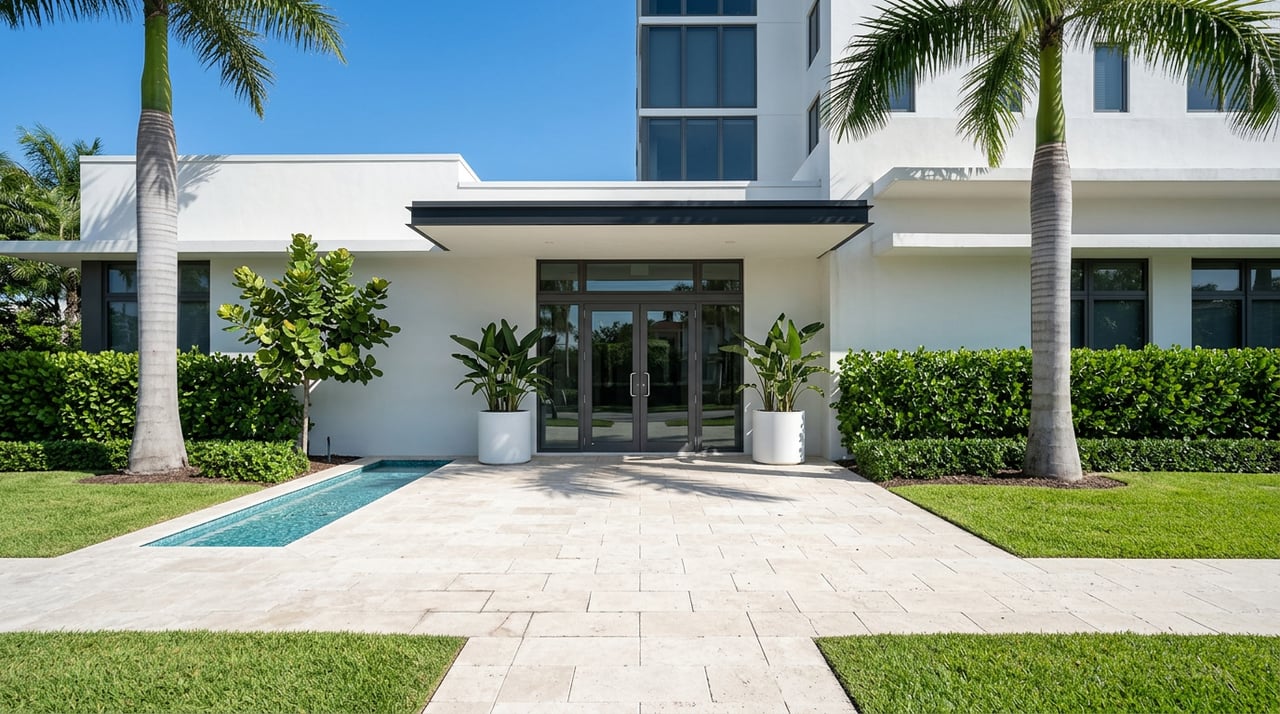
Delray Beach sits on Florida’s Atlantic coast in southern Palm Beach County, within the West Palm Beach–Boca Raton–Delray Beach metro. You get a lively downtown along Atlantic Avenue, beautiful public beaches, and a mix of historic neighborhoods and newer gated communities. It’s popular with year-round residents and winter visitors, so services and amenities are built to support an easy coastal lifestyle.
The climate features mild, dry winters and hot, humid summers with frequent afternoon thunderstorms. Hurricane season runs from June 1 through November 30. Planning for heat, humidity, and storm readiness is part of life here, and newer construction often includes wind-mitigation features that help with both comfort and insurance.
Seasonal demand is a big factor. Snowbird season typically runs November to April, which boosts foot traffic, rentals, and buyer activity. Understanding this cycle helps you decide when to shop and how to negotiate.
Home types and neighborhood patterns
You’ll find a range of property styles and price points:
- Oceanfront and near-beach single-family homes
- Condominiums, which make up a large share of the market
- Townhomes and newer infill or ranch-style homes
- Gated and age-restricted 55+ communities in the broader area
Architectural styles include Mediterranean and Spanish revival, coastal contemporary, Key West–influenced designs, and modern new-builds. If walkability is important, areas near Atlantic Avenue and Pineapple Grove put you close to dining, galleries, and the beach. Waterfront homes add boating and beach access, but they come with higher maintenance and insurance considerations.
Timing your search and making offers
High season brings more buyers and renters, especially for coastal and walkable homes, and inventory can tighten. If you shop off-season in late spring or summer, you may see different dynamics. There can be more listings, but also more long-term buyers in the market. The right timing depends on your move date, financing, and flexibility.
A good strategy is to contact a local agent 3 to 6 months before you plan to move. That window lets you refine neighborhoods, line up pre-approval, and plan an efficient house-hunting trip. If you are selling a Northeastern home first, coordinate both timelines so you can move once, not twice.
Taxes and what they mean for your budget
Florida does not collect state personal income tax. For many Northeastern movers, that is a major recurring savings. Property taxes are assessed by Palm Beach County and local municipalities. Rates vary by location and apply to the assessed value of your home.
If the property is your primary residence, you can apply for the Florida homestead exemption through the Palm Beach County Property Appraiser. The Save Our Homes assessment cap can limit annual increases in assessed value for a primary residence and includes portability rules if you are moving a homestead within Florida. Confirm your eligibility and deadlines with the county once you close and establish residency.
Insurance, flood zones, and storm readiness
Homeowners insurance in coastal Florida is typically higher than in many Northeastern markets because of wind and hurricane risk. Policies often include wind or hurricane deductibles that are percentage-based. Premiums depend on factors like roof age, construction type, elevation, and wind-mitigation features such as impact glass, roof straps, and shutters.
Flood risk varies block by block. Many properties are in FEMA-designated flood zones. Lenders generally require flood insurance for high-risk zones, and many buyers choose to carry it even outside those areas. Elevation certificates help you understand risk and price flood coverage more accurately.
When comparing homes, ask about the roof’s age, hurricane-rated openings, and any completed mitigation. Newer construction follows Florida Building Code wind standards, which can improve resilience and may reduce premiums.
What to budget beyond the purchase price
Your monthly and annual costs can look different from the Northeast. Plan for:
- HOA or condo fees. Many condos and gated communities have meaningful monthly fees. Review what they cover, reserve studies, and any history of special assessments.
- Utilities. Expect year-round AC usage. Florida Power & Light is a major electricity provider in the area. Water, sewer, and trash are typically municipal or county services.
- Maintenance. Salt air increases wear on exterior paint, metal fixtures, pools, docks, and seawalls. Budget for regular upkeep.
- Insurance. Homeowners, wind/hurricane, and flood insurance are common, especially near the coast.
- Interim housing. Many movers try a short-term rental for a season while they shop. Factor those costs if you want to “test drive” neighborhoods first.
Travel and getting around
You have multiple airport options: Palm Beach International (PBI) is the closest, with Fort Lauderdale-Hollywood (FLL) and Miami International (MIA) offering broader flight networks. I-95 runs through the corridor for easy driving. The region also offers commuter and intercity rail connections to larger South Florida hubs. Schedules and routes can change, so verify options based on your travel patterns.
A practical relocation timeline
A clear plan reduces stress and helps you act decisively when the right home appears.
6–12 months out: research and plan
- Outline your budget, including taxes, insurance, HOA fees, and utilities.
- Speak with a local agent for neighborhood guidance and a high-level market briefing.
- Plan a preliminary visit to tour areas that match your lifestyle.
3–6 months out: prepare to buy
- Secure mortgage pre-approval if you will finance.
- Schedule in-person showings during a focused trip.
- If relevant, review school zoning and community amenities.
1–3 months out: due diligence and insurance setup
- Make an offer and align closing timelines with your Northeastern sale.
- Order inspections. Standard home, roof, termite, and pool inspections are common. For waterfront properties, add seawall or bulkhead evaluations.
- Review FEMA flood maps, request an elevation certificate if needed, and gather insurance quotes for homeowners and flood.
- If buying in an association, review bylaws, reserves, meeting minutes, and any pending assessments.
Final month: move-in logistics
- Set up utilities, mail forwarding, cable or internet.
- Arrange movers and confirm delivery windows.
- Update your driver’s license and vehicle registration after you establish residency, following Florida requirements.
- After move-in, apply for the homestead exemption if the property is your primary residence.
Your relocation checklist
Use this short list to stay on track:
- Get pre-approval and confirm your lender understands Florida coastal insurance requirements.
- Compare total cost of ownership, not just the purchase price.
- Assess risk: flood zone, elevation, roof age, impact-rated openings, and wind mitigation.
- Verify association finances and any special assessments.
- Plan short-term housing if you want to explore before you buy.
- Map evacuation zones and routes and understand local emergency resources.
Risk and resilience when choosing a home
Flood exposure, sea-level rise, and storm surge vary by neighborhood and even by block. Waterfront and low-lying areas can be more exposed. Elevation and drainage matter for long-term ownership. An elevation certificate, combined with a review of FEMA maps, helps you weigh insurance costs and risk tolerance.
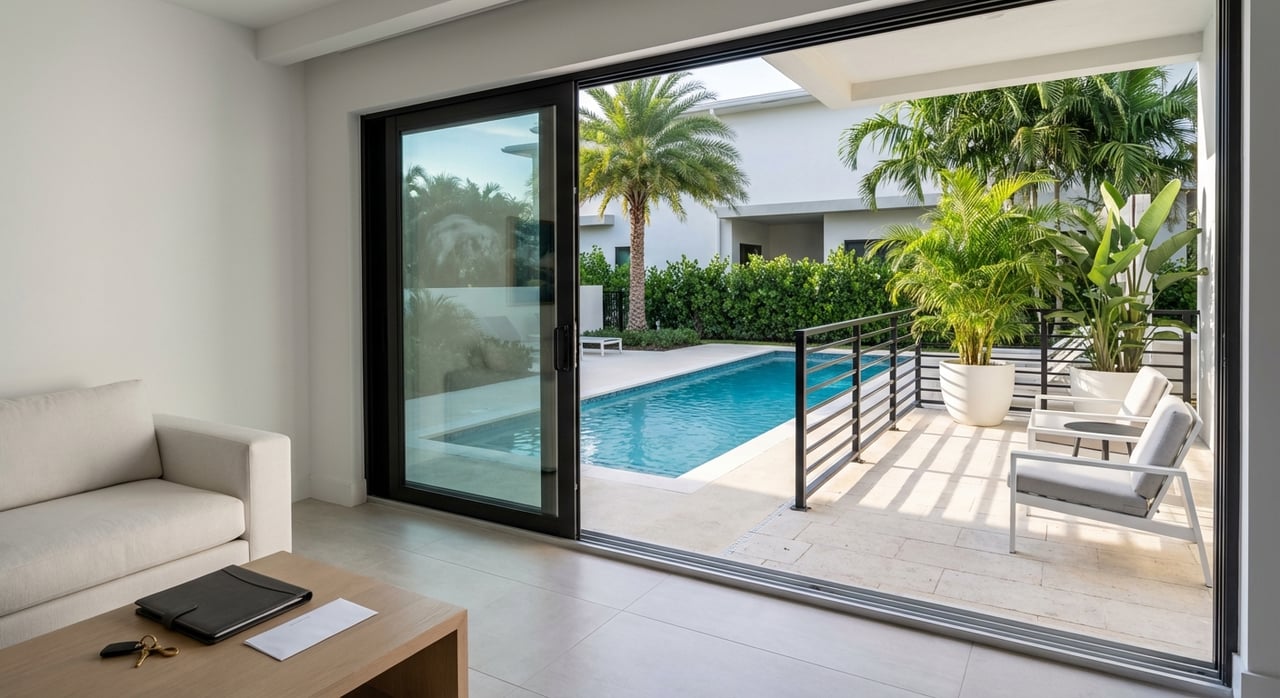
Construction quality also matters. Look for roof-to-wall connections, tie-downs, hurricane-rated doors and windows, and garage door strength. Newer homes often meet stricter wind standards. Older homes may need retrofits, which can improve safety and reduce premiums over time.
How to match neighborhoods to your lifestyle
Start with your priorities. If you want walkability to dining, galleries, and the beach, the areas near Atlantic Avenue and Pineapple Grove are worth a look. If you prefer quieter streets, a gated setting, or age-restricted options, you’ll find many choices in and around Delray Beach. For boaters, proximity to marinas and inlets is a plus, balanced against maintenance and insurance.
Families should confirm current school assignments and available programs with the district and review commute patterns to work and activities. Healthcare access is straightforward, with Delray Medical Center and regional facilities nearby. Wherever you focus, weigh everyday needs like grocery access, green space, and travel time to airports.
Working with a local, concierge-style team
Relocating from the Northeast often means coordinating a sale, a purchase, inspections, insurance, and sometimes short-term housing at the same time. A local agent can streamline every step. A concierge approach includes focused neighborhood previews, private and virtual showings, coordination with title and inspectors, and clear communication from offer to close.
If you are considering a second home or a luxury property, you benefit from polished digital presentations, global marketing channels, and responsive service tuned to remote buyers. Whether you plan to live here full-time or seasonally, a relationship-driven team ensures you feel confident at each milestone.
Ready to map your move and tour homes that fit your goals? Connect with Julia Amsterdam for a tailored plan, local insights, and a smooth transition to coastal living.
FAQs
Do Northeastern movers pay Florida state income tax?
- No. Florida does not collect state personal income tax, which can be a meaningful recurring savings compared with many Northeastern states.
How does hurricane season affect my move to Delray Beach?
- Hurricane season runs June through November. Many buyers aim to close outside peak months, but successful purchases happen year-round with proper planning and insurance.
Will my lender require flood insurance in Delray Beach?
- Lenders typically require flood insurance for properties in FEMA high-risk zones. Many buyers choose coverage even outside those zones based on elevation and risk tolerance.
What inspections should I order for a coastal Florida home?
- Standard home, roof, termite, and pool inspections are common. Add seawall or bulkhead inspections for waterfront properties to assess long-term maintenance.
How do HOA or condo fees impact total cost in Delray Beach?
- Fees can be significant and often cover amenities, reserves, and common-area insurance. Review budgets, reserves, and any special assessments before you commit.
When should I contact a local agent if I am relocating from the Northeast?
- Reach out 3 to 6 months before your target move date. Early guidance helps you align timelines, financing, neighborhood previews, and insurance planning.