Trying to decide between a condo or a single-family home in Stuart? You are not alone. Buyers here balance sunny waterfront living with real costs like insurance, flood risk, and HOA rules. In this guide, you will learn how each option stacks up for budget, maintenance, boating access, and lifestyle so you can move forward with confidence. Let’s dive in.
Stuart at a glance
Stuart sits along the St. Lucie River and Intracoastal Waterway, with access to the Atlantic and a strong draw for boaters, seasonal residents, and retirees. Condos range from garden-style communities to riverfront buildings and marina settings. Single-family choices span historic cottages, inland neighborhoods, and waterfront homes with private docks. Local demand is seasonal, and waterfront features often drive pricing.
Condo vs. single-family: Quick snapshot
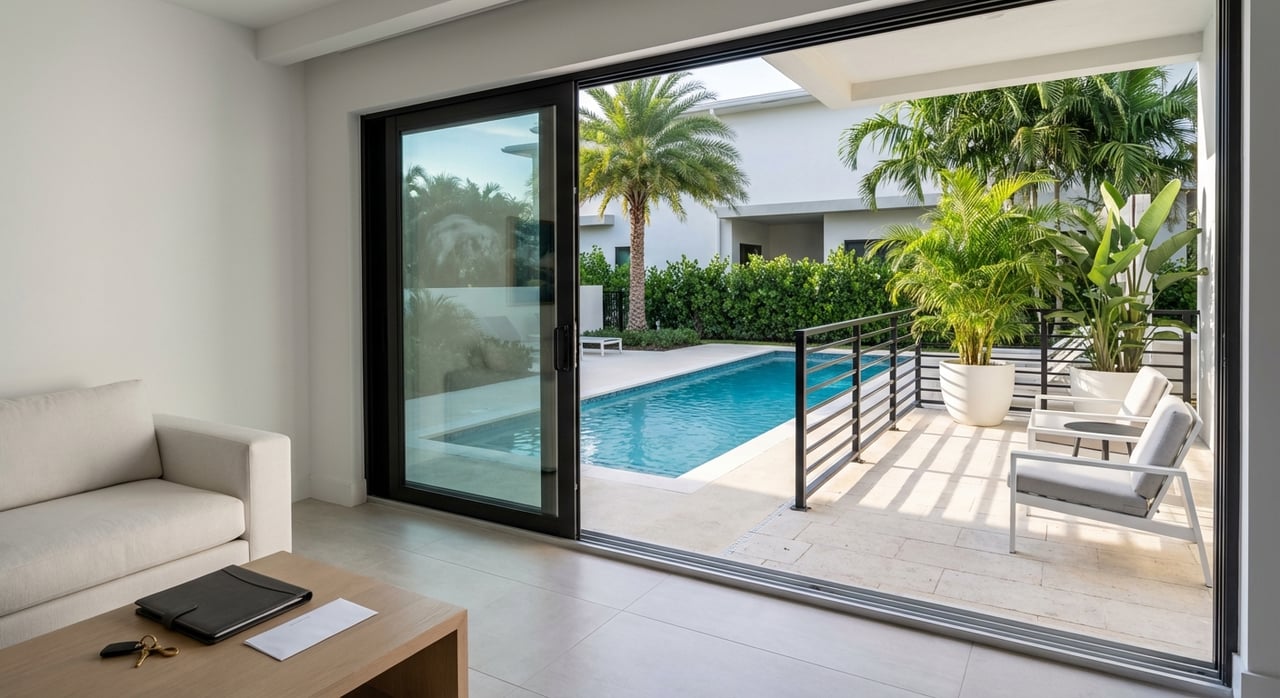
- Condos: Lower upkeep, shared building insurance, and built-in amenities. You trade some control for convenience, and monthly fees can vary widely.
- Single-family: More privacy and full control over exterior and yard. Costs can be spiky, especially for roofs, docks, pools, and insurance on waterfront homes.
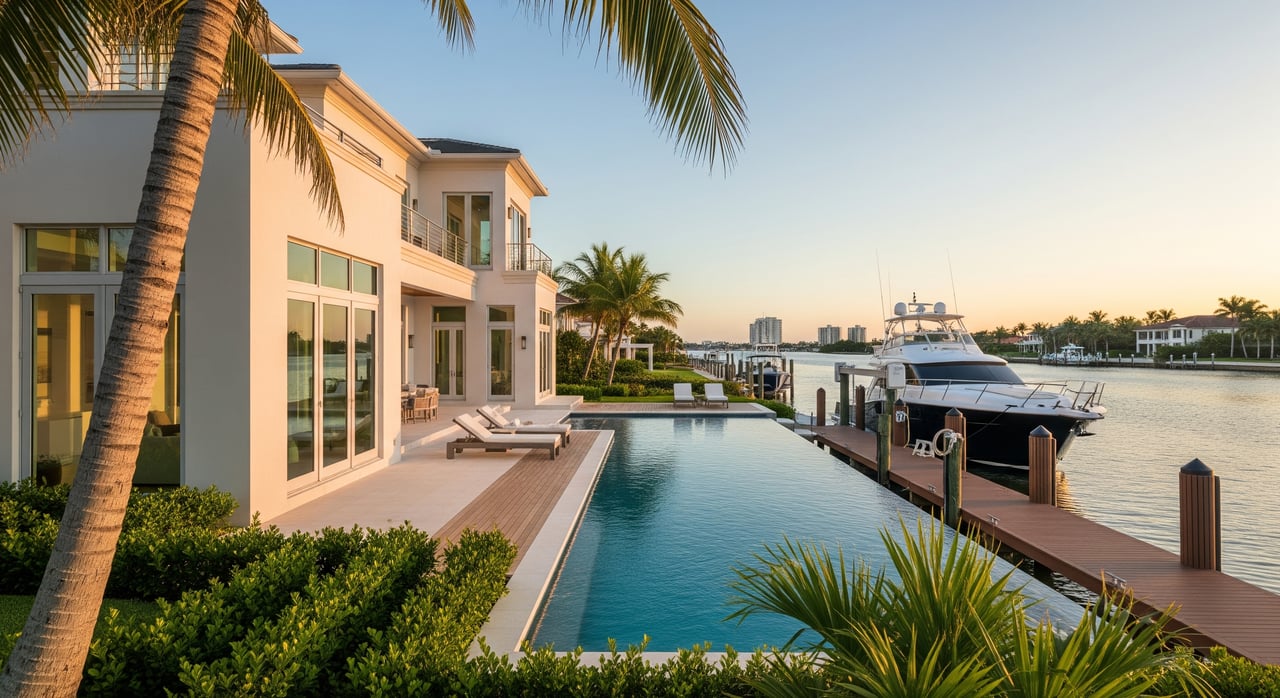
- Boaters: A private dock at a house offers freedom and speed. Marina or community slips tied to condos can be easier to maintain but may be limited or assigned.
What really costs you each month
Purchase price and monthly fees
- Condos often have a lower entry price than comparable single-family homes nearby, especially inland. Waterfront condos with strong amenities can be exceptions.
- Condo fees usually cover exterior maintenance, master building insurance, landscaping, and amenities. Fees can be modest or reach many hundreds to over $1,000 per month in luxury waterfront settings. Fees can rise and special assessments can occur.
- Single-family homes may have no or low HOA fees, but you carry all exterior upkeep, landscaping, pool service, dock care, and full building insurance.
Insurance and flood premiums
Coastal Florida insurance is a major budget item. In a condo, the association typically insures the building exterior, while you carry an HO-6 policy for your interior, contents, liability, and loss assessment coverage. In a single-family home, you insure the full structure. If a property is in or near a FEMA Special Flood Hazard Area, you should expect separate flood insurance. Get quotes early. The Florida Office of Insurance Regulation offers consumer guidance on coverage and market conditions.
Property taxes and homestead
Taxes in Martin County are based on assessed value and millage that can change annually. If you plan to make the property your primary residence, Florida’s homestead exemption may reduce your taxable value. Check current assessments and exemptions with the Martin County Property Appraiser.
Ongoing maintenance and reserves
- Condos: The association handles exterior systems like the roof and common areas, funded by monthly dues and reserves. Review reserve studies and special assessment history.
- Single-family: Budget for big-ticket items over time. A common rule of thumb is to set aside 1 to 3 percent of home value per year, often more for waterfront properties due to seawalls, docks, and salt exposure.
To compare, tally your total monthly cost for each property: mortgage + property tax + HOA/condo fee + insurance (home/wind plus flood if needed) + routine maintenance and reserves.
Insurance, flood, and storm risk in Stuart
Proximity to the St. Lucie River, Intracoastal Waterway, and the Atlantic increases exposure to storm surge and flooding. Elevation and flood zone matter a lot here.
- Start with the FEMA Flood Map Service Center to identify flood zones and base flood elevations for a specific address.
- Ask for an Elevation Certificate if one exists. Elevation relative to the base flood elevation affects flood premiums and rebuild requirements.
- For windstorm coverage, insurers may require wind mitigation features like hurricane straps and opening protection for credits. Availability and pricing can change, so obtain quotes early and compare.
- In condos, clarify what the master policy covers versus your HO-6 policy and whether there are high deductibles. In single-family homes, you carry full replacement and liability risk.
Governance and due diligence you should do
Rules and financial health matter just as much as the floor plan.
For condos
Florida’s Condominium Act (Chapter 718) sets standards for budgeting, disclosures, and governance. Before you buy, review the declaration, bylaws, recent budgets and financial statements, reserve studies if available, board meeting minutes, insurance policies and deductibles, special assessment history, and rules on rentals, pets, and marina slips. You can read statutes through the Florida Legislature’s statutes portal.
For single-family homes with HOAs
Some neighborhoods follow Florida’s Homeowners’ Association law (Chapter 720). Review covenants, conditions, and restrictions, architectural guidelines, budgets, and board minutes. Confirm whether exterior changes like docks, lifts, or fencing need approval. Chapter 720 is also accessible through the Florida Legislature’s statutes portal.
Boating and waterfront choices
Stuart is a boater’s market, with access to the Atlantic via the St. Lucie Inlet. If water is part of your life, weigh these points carefully.
Private dock vs. condo or marina slip
- Private dock at a single-family home: Maximum control and convenience. Inspect the dock’s condition, permitted footprint, water depth at mean low water, and any lift capacity. Maintenance and repairs are your responsibility.
- Condo or marina slip: Often lower hassle and part of a managed facility. Rules vary by association — slips may be deeded, assigned, or leased. Ask about fees, waitlists, and dredging responsibility.
Navigation and depth
Bridge clearances, channel depth, and tides affect what you can run. Use NOAA nautical charts and talk with local marinas to verify current conditions, shoaling, and safe routes to the inlet.
Permits, seawalls, and shoreline rules
Dock and seawall work typically requires permits. Start with county and state agencies, and expect federal involvement for navigable waters. The Florida Department of Environmental Protection and the U.S. Army Corps of Engineers provide guidance for coastal construction and permitting. If mangroves are present, trimming or removal may require special approvals. Seawall condition can be a major cost driver, so get a marine inspection.
Financing, rental rules, and resale
Financing differences
Condos may require project approval for certain loan types, including FHA and VA. Lenders often look at owner-occupancy ratios, delinquencies, reserve funding, and litigation. For single-family homes, financing is usually more straightforward, though waterfront location can influence appraisal and insurance.
Rental and short-term rental rules
Many condo associations limit rentals or prohibit short-term stays. Some single-family areas also have restrictions. Before counting on rental income, verify the association’s rules and check any local ordinances with the City of Stuart or Martin County.
Resale and liquidity
Waterfront single-family homes often command premiums and, in boat-centric markets, can be more liquid. Condos can sell well to downsizers and seasonal buyers. Liquidity shifts with the market cycle, so plan to hold through different phases and keep an eye on fees, assessments, and building health.
Two buyer paths: What typically fits
- Downsizer or seasonal resident: You may prefer a condo for the ease of maintenance, social amenities, and shared building insurance. If boating is essential, focus on communities with deeded or assigned slips and a strong reserve history.
- Family or avid boater: You may lean toward a single-family home for privacy, a yard, and a private dock. Build a budget that covers seawall and dock upkeep, storm-hardening upgrades, and higher wind and flood premiums on the water.
A simple decision framework
Work through these steps and compare two or three properties of each type.
- Total monthly cost
- Mortgage principal and interest
- Property taxes
- HOA/condo fees
- Insurance: home or HO-6, wind, and flood if required
- Routine maintenance and a capital reserve
- Risk and resilience
- Flood zone and elevation certificate
- Wind mitigation features and insurance quotes
- Building health and reserves for condos; roof, dock, and seawall condition for homes
- Boating lifestyle fit
- Type of access: private dock vs. deeded or leased slip
- Channel depth, bridge clearances, and time to the inlet
- Ongoing dredging or seawall responsibilities, if any
- Governance and flexibility
- Condo rules for rentals, pets, renovations
- HOA architectural controls for exterior work and docks
- Litigation or special assessment history
- Resale goals
- Buyer pool match for the product type
- Fee trends and financial health that can influence future buyers
- Seasonal demand factors and local inventory levels
When you are ready to compare specific properties, we can assemble insurance quotes, association documents, and marine inspections so you can choose with clarity.
Ready to find your fit in Stuart? Reach out to Julia Amsterdam for a concierge-level consultation tailored to your goals.
FAQs
What costs are unique to condos in Stuart?
- Condo fees cover exterior maintenance and a master building insurance policy, but you still need an HO-6 policy and possibly flood insurance. Fees can increase and special assessments may occur, so review budgets, reserves, and assessment history.
How do I check flood risk before I buy?
- Look up the address on the FEMA Flood Map Service Center and request an Elevation Certificate if available. Insurance quotes for wind and flood will give you the most accurate cost picture.
What should I review in a condo association?
- Read the declaration, bylaws, recent budgets, financials, reserve studies, board minutes, insurance policies and deductibles, litigation disclosures, rental rules, and slip policies if boating is involved.
Can I finance a condo with FHA or VA in Stuart?
- Possibly. Many lenders require the condo project to meet FHA or VA approval standards, including reserve funding and delinquency limits. Confirm project eligibility with your lender early.
What permits apply to docks and seawalls?
- Dock and seawall work usually needs county and state permits and sometimes federal approval for navigable waters. Start with the Florida Department of Environmental Protection and the U.S. Army Corps of Engineers for guidance.
Where can I verify property taxes and exemptions?
- Visit the Martin County Property Appraiser to review assessed values, millage information, and homestead exemption details for primary residences.