Thinking about a seasonal rental in Delray Beach but unsure where to start? You are not alone. Between peak‑season pricing, local rules, and HOA restrictions, the details can feel overwhelming. This guide breaks down what rents, when it rents, the approvals and taxes you need, how to model returns, and how to manage from out of state. Let’s dive in.
Why Delray Beach works for seasonal rentals
Delray Beach draws steady vacation demand thanks to its walkable downtown along Atlantic Avenue and easy beach access. That combination supports premium rates, especially close to the ocean and downtown. You can see the broader visitor appeal across The Palm Beaches in general from regional tourism coverage that highlights the area’s destination pull. Review the region’s positioning in resources like The Palm Beaches’ visitor news for context.
Market data tools show healthy performance benchmarks with clear winter peaks. In AirDNA’s Delray overview, the market reports an average occupancy around 62% and an average daily rate near $360 across a mix of unit sizes and locations. Treat those figures as directional, not a guarantee, and always compare to your specific micro‑location. See the Delray Beach MarketMinder snapshot for reference.
What rents, when, and for how long
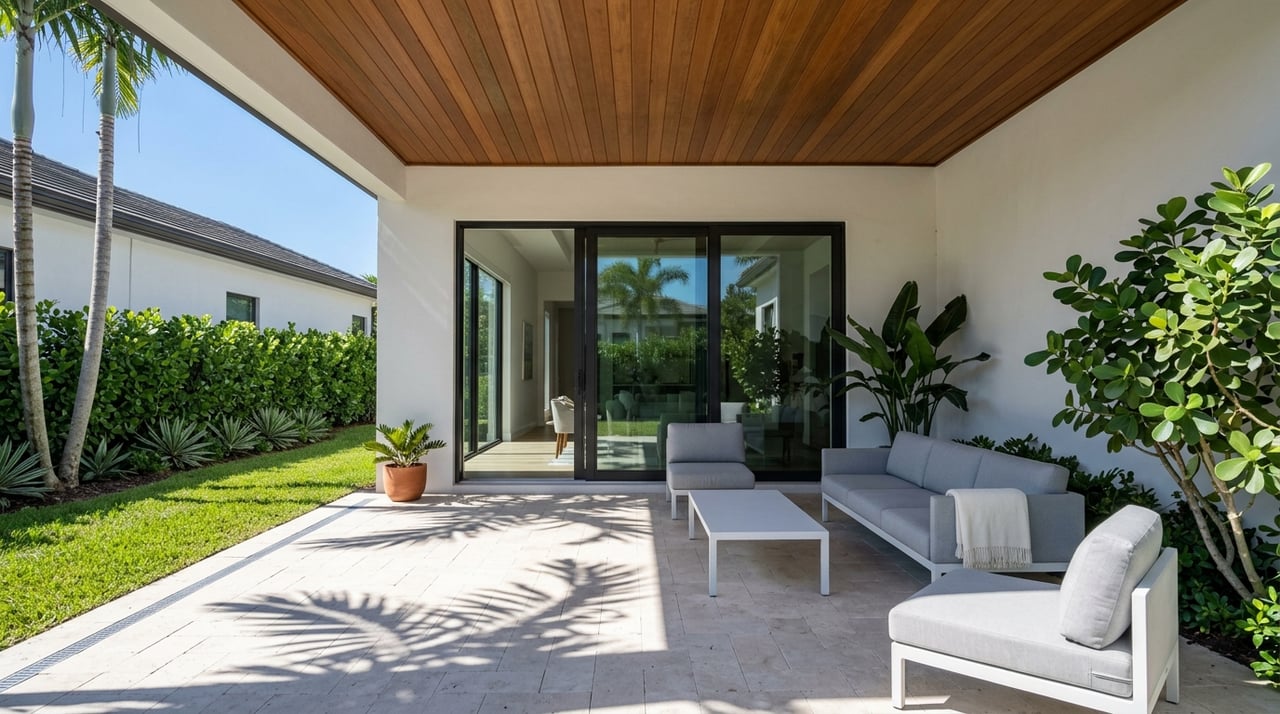
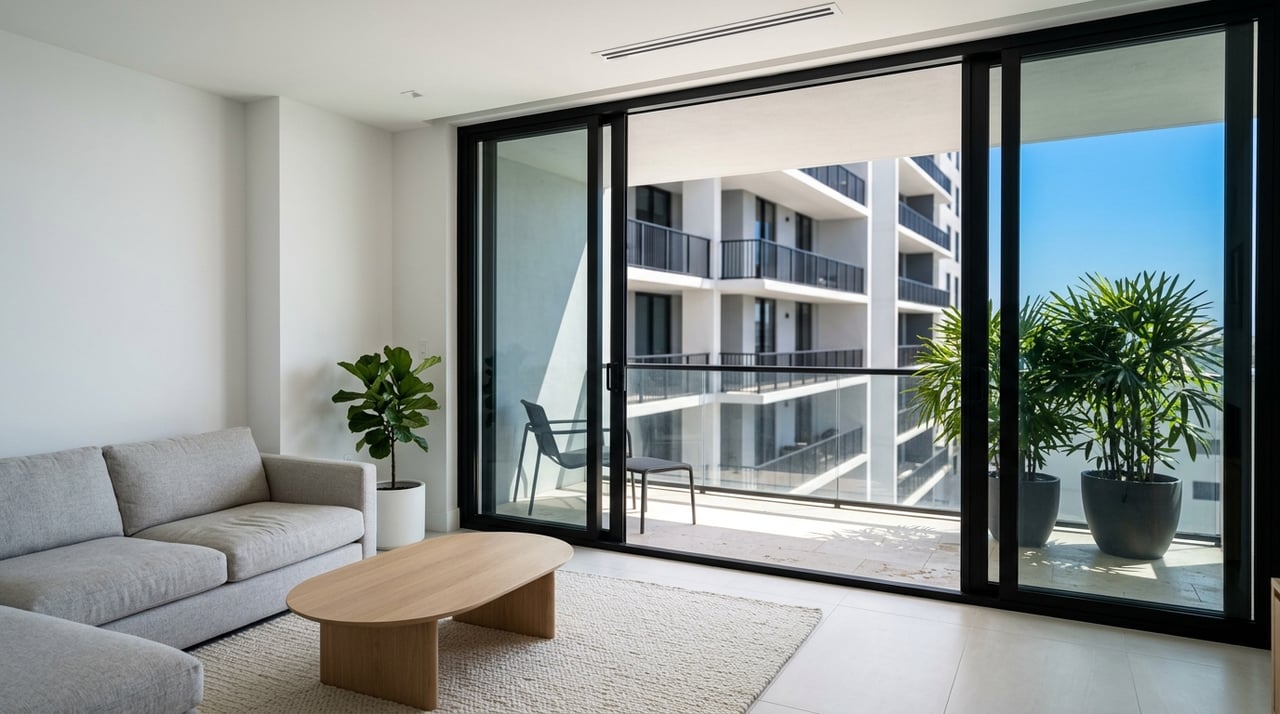
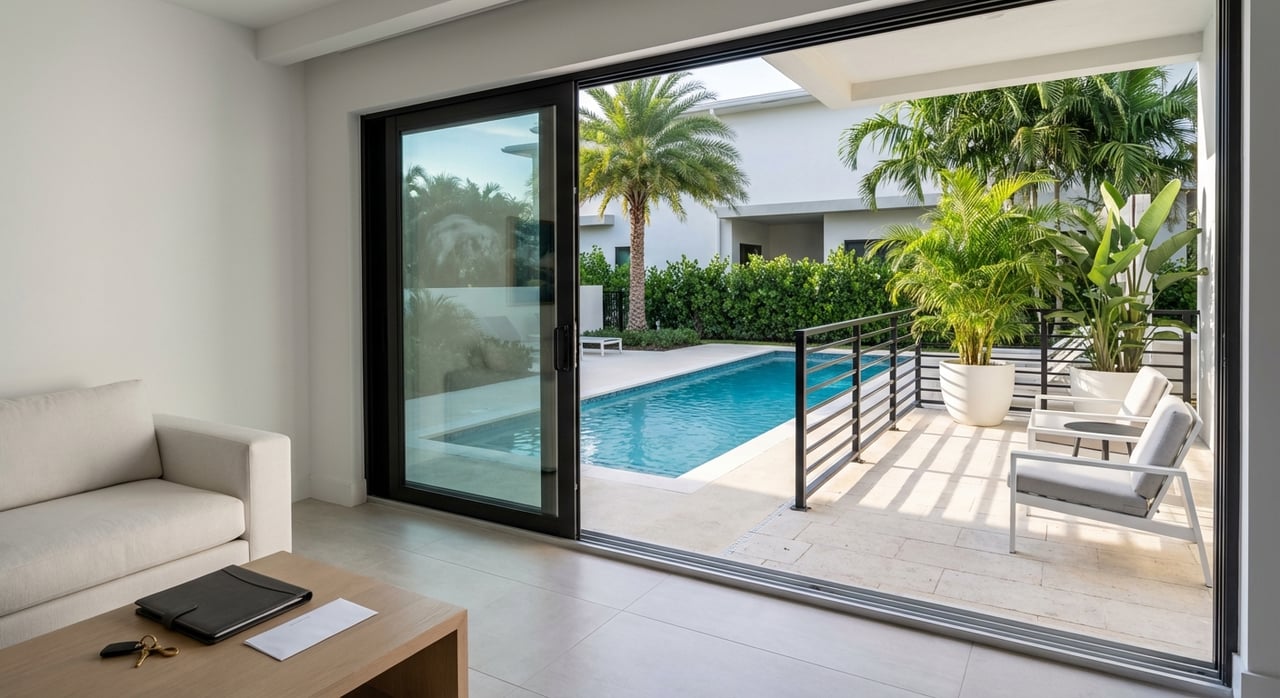
Properties that attract the highest seasonal rates are usually entire homes or condos within walking distance of Atlantic Avenue or the beach. Private pools, updated interiors, and beach access help push pricing higher. Larger multi‑bedroom layouts also capture family and group bookings.
Seasonality is pronounced. Winter months from roughly November through April are typically strongest, with February and March often peaking for both occupancy and rates. Tools that track listing calendars show visible spikes in winter and softer summer months where discounts and promotions are common. You can scan monthly patterns in services like StaySTRA’s Delray tracker.
Minimum stays often shift with the season and building rules. Many owners use multi‑night minimums most of the year, then require weekly or monthly minimums during peak winter. Before you buy or list, confirm any minimum‑stay rules that apply to your property type or association and align your pricing strategy accordingly.
Rules you must follow in Delray Beach
Short‑term and seasonal rentals in Florida sit under several layers of oversight. Plan to confirm each one.
State licensing
The Florida Department of Business and Professional Regulation, through the Division of Hotels and Restaurants, licenses vacation rentals in many cases. Review the state’s guidance to determine whether your unit requires a license and how to display license numbers in listings. Start with the DBPR vacation rental guide.
County taxes and registration
Palm Beach County administers the Tourist Development Tax on transient stays. Hosts are typically required to register for a TDT account and file returns, often monthly. Some booking platforms may remit certain taxes, but you should verify exactly which ones and register yourself if needed. Read the county’s guidance in the Palm Beach County Tax Collector FAQ.
City requirements and the 2023 change
Delray Beach previously operated a landlord permit program, but the city notes that, due to state legislation effective October 1, 2023, it no longer requires those landlord permits or renewals. Other requirements remain in place, including any needed Business Tax Receipt, building and safety standards, and zoning compliance. Check the city’s landlord information page and contact Development Services to verify parcel‑level zoning before you buy or list.
Condo and HOA rules
Association rules can make or break a rental plan. Governing documents often set minimum lease lengths, limit how many units can be rented at once, require approvals, or restrict transient use entirely. These private covenants control your options even if city zoning allows rentals. For a primer on how association rules shape guest stays, review resources like the Community Associations Institute’s guidance. Always obtain and read the community’s declaration, bylaws, rules, amendments, and meeting minutes before contracting.
Operating standards and enforcement
Noise, trash, parking, occupancy, and local contact requirements are commonly enforced through city code or association rules. Keep licenses, tax filings, and guest records organized for inspections or audits. For a sense of local enforcement themes and obligations, see the Delray Beach legal overview, then verify specifics with the city and your association.
How to underwrite a Delray seasonal rental
Your underwriting should reflect Delray’s strong winter season and softer summers. Begin with conservative assumptions, then compare to market comps.
- Benchmark check. AirDNA’s Delray summary shows average occupancy near 62% and an ADR around $360 across the market. Use those as a loose reference, then tighten to your micro‑location and property type. View the AirDNA overview and a monthly view via StaySTRA.
- Revenue drivers. Location near Atlantic Avenue and the beach, bedroom count, private pool, condition and amenities all materially affect ADR and occupancy. Model winter months at a premium with weekly or monthly minimums, then run shoulder and summer scenarios with discounts and lower occupancy.
- Expense line items to include. Management, cleaning, utilities, HOA dues, insurance, routine maintenance, supplies, platform fees, property taxes, and required sales/TDT payments. For common ranges on vacation rental management and turnover costs, see this Florida investment guide.
Use a simple structure to size your return:
- Annual Gross Revenue = sum over months of (ADR per month × 30.4 × occupancy).
- Net Operating Income = Gross minus management fees, cleaning, utilities, HOA fees, insurance, routine maintenance, platform fees, and any taxes that are not collected by your platform.
- Then compute cap rate as NOI divided by purchase price, and cash‑on‑cash as annual cash flow divided by cash invested.
Compare your model to real comps. Pull similar listings in your micro‑area and review their seasonal calendars, rates, and amenities. If you are buying an existing rental, request a history of bookings and deposits to validate claims.
Managing from out of state
If you will not be local, build a small, reliable team and equip the property for smooth, remote operations.
Core local coverage
- A local 24/7 contact able to respond promptly to complaints or emergencies.
- A proven cleaning and linen vendor with tight scheduling during peak season.
- Trusted trades for HVAC, plumbing, electrical, pool care, pest control, and storm prep.
- A short‑term rental manager if you prefer full service, or a hybrid co‑host model if you want to stay hands‑on. Expect higher fees for white‑glove vacation management, which can be worth it if you are remote. Fee ranges are summarized in this Florida investment guide.
Smart systems and guest experience
- Keyless entry, smart thermostat, leak sensors, and Wi‑Fi troubleshooting steps help reduce calls.
- Clear house rules, quiet hours, and parking instructions minimize neighbor complaints.
- Thoughtful starter kits, local guides, and responsive messaging boost reviews during peak season.
Insurance and tax setup
- Confirm your insurance explicitly covers short‑term or transient use and that flood and hurricane exposures are addressed. Associations may require proof or additional insured language.
- Set up state and county tax accounts if required and confirm what your platform collects on your behalf. File on time to avoid penalties. The Palm Beach County filing process is outlined in the Tax Collector FAQ.
Step‑by‑step due diligence checklist
Follow this sequence before you go under contract on a seasonal rental in Delray Beach.
- Collect and review all association documents: declaration, bylaws, rules, lease restrictions, amendments, and meeting minutes from the last 12 to 24 months. Look for minimum stays, rental caps, approval steps, and any proposed changes. A Florida association law resource like the Florida Condo & HOA Law Blog index can help you understand what to request.
- Verify zoning and any special overlays with Delray Beach Development Services. Ask for written confirmation of parcel‑level allowances and any local requirements, then confirm whether a Business Tax Receipt applies. Start at the city’s landlord information page and contact the department directly.
- Confirm tax registrations. Register for Florida sales tax and a Palm Beach County Tourist Development Tax account if required, and clarify which taxes your platform remits. The county process is summarized in the Tax Collector FAQ.
- Determine whether you need a DBPR vacation rental license and how to display it. Review the DBPR licensing guide.
- Underwrite with monthly assumptions. Pull ADR and occupancy by month from tools such as AirDNA’s Delray overview and StaySTRA, then run conservative, base, and aggressive cases.
- Obtain insurance quotes that explicitly include STR use and hurricane or flood coverage, and request the association’s certificate and reserve or assessment information.
- Line up local vendors and, if needed, interview experienced STR managers. Ask for references and example monthly P&L summaries so you can gauge service quality and reporting.
Risks and red flags to watch
- Association rules that prohibit short‑term rentals, set long minimum leases, or cap rental percentages below your plan. Without approvals, your strategy will not work.
- Unclear tax registration or unpaid returns. Tax liens or penalties can follow the property and add costs after closing.
- Incomplete or inconsistent revenue claims. Always request platform statements and bank deposit records and compare to market data.
- Insurance quotes that exclude STR use or price risk too high for cash flow. If you cannot insure at a workable cost, pause or re‑price.
Your next step
Seasonal rentals in Delray Beach can be compelling when the location, rules, and numbers align. If you want guidance on neighborhoods close to Atlantic Avenue and the beach, help vetting association documents, and local introductions to managers and vendors, we are here to help. Schedule a consultation with Julia Amsterdam to map your plan with clear comps and a step‑by‑step strategy.
FAQs
What are typical ADR and occupancy in Delray Beach?
- AirDNA’s public overview shows average occupancy around 62% and an average daily rate near $360 across a mix of listings and locations.
Do I need a Florida license for a seasonal rental?
- Many properties require a vacation rental license through the Florida DBPR’s Division of Hotels and Restaurants, so review the state’s guidance and determine if your unit qualifies.
How are short‑term rental taxes handled in Palm Beach County?
- You generally register for a Tourist Development Tax account with the county and file returns, and you may also owe state sales or transient tax, so verify what your platform collects and what you must remit.
Can my condo or HOA limit seasonal rentals?
- Yes. Association documents often set minimum lease lengths, rental caps, approvals, or outright restrictions that control what you can do even if the city allows rentals.
When is peak season in Delray Beach and how should I set minimum stays?
- Winter months from roughly November through April usually perform best, and many owners adopt weekly or monthly minimums in peak season while using shorter minimums during the rest of the year.
What property management fee should I expect for a short‑term rental?
- Full‑service vacation rental management commonly ranges from about 20% to 30% of booking revenue, with separate charges for cleanings and certain services, depending on scope.